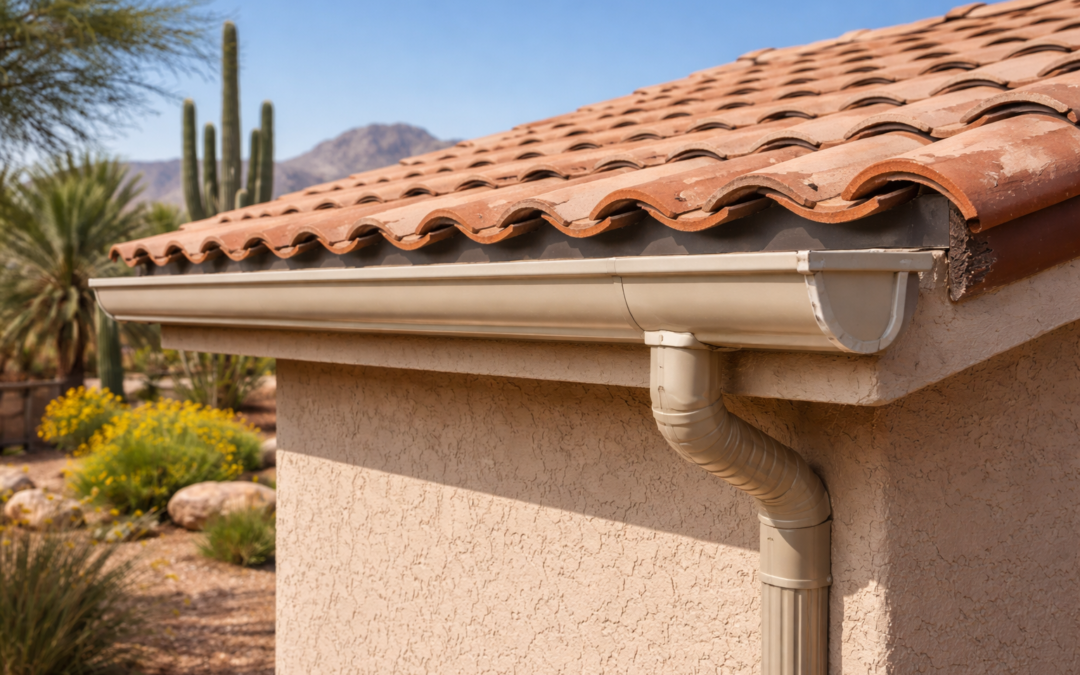
The Problem: Rainwater Has Nowhere to Go
Rain doesn’t just fall and disappear. Without properly installed raingutters, water pours directly off your roof and lands next to your home’s foundation. Over time, this constant runoff causes soil erosion, basement leaks, cracked foundations, and damaged siding.
Many homeowners underestimate how much water their roof collects. A single inch of rainfall on an average home can produce over 600 gallons of runoff. Without raingutters to control that flow, all that water is left to find its own destructive path.
Even in dry climates, sudden storms can overwhelm homes that lack proper drainage systems. Raingutters exist for one reason: to move water safely away from your house.
Agitate: What Happens When Raingutters Fail or Don’t Exist
When raingutters are missing, clogged, or improperly pitched, damage builds slowly and silently. Homeowners often don’t realize there’s a problem until repairs become unavoidable.
Common consequences include rotting fascia boards, peeling paint, mold growth, and cracked concrete around the foundation. Landscaping suffers too — soil washes away, plants drown, and hardscapes shift.
Roof damage is another major risk. Water backing up under shingles can compromise roof decking and insulation. According to roofing industry studies, poor water drainage is one of the leading contributors to premature roof failure.
Ignoring raingutters doesn’t save money — it delays the bill until it’s much larger.
The Solution: Properly Designed and Maintained Raingutters
A well-designed raingutter system captures roof runoff and channels it safely away through downspouts and extensions. When installed and maintained correctly, raingutters protect nearly every part of your home’s exterior.
How Raingutters Work
Raingutters are mounted along the roofline to collect rainwater. They rely on proper slope to move water toward downspouts, which direct it away from the foundation. The entire system must be sized correctly based on roof area and local rainfall intensity.
Even small installation errors — such as insufficient pitch or undersized gutters — can cause overflow during heavy rain.
Types of Raingutters
Seamless Raingutters
Seamless systems are formed from a single piece of material, reducing leak points. They’re durable, low-maintenance, and the most popular choice for residential homes.
Sectional Raingutters
Made from pre-cut pieces joined together, sectional raingutters are more affordable upfront but more prone to leaks over time.
Materials Commonly Used
Aluminum is lightweight and rust-resistant, steel offers added strength, and copper provides longevity and a distinctive appearance. Each material has benefits depending on budget and climate.
Why Maintenance Matters
Even the best raingutters fail if they’re clogged. Leaves, dirt, and debris block water flow, causing overflow and sagging. Experts recommend cleaning gutters at least twice a year, especially after storm seasons.
Neglected gutters can pull away from the roofline due to added weight, damaging fascia boards and soffits. Regular inspections help identify loose fasteners, corrosion, or pitch issues before they become expensive repairs.
Raingutters and Foundation Protection
One of the most critical roles of gutters is foundation protection. Excess moisture around the foundation weakens concrete over time and increases the risk of cracks and settling.
Downspout extensions should discharge water at least 4 to 6 feet away from the home. This prevents soil saturation and reduces hydrostatic pressure against basement walls.
Homes without rain gutters are far more likely to experience foundation issues than those with properly installed systems.
Energy Efficiency and Home Value
Raingutters also support energy efficiency by preventing moisture intrusion into walls and insulation. Wet insulation loses effectiveness, driving up heating and cooling costs.
From a resale perspective, functional rain gutters signal proper home maintenance. Inspectors routinely flag missing or damaged gutters during home inspections, which can affect negotiations or delay closings.
DIY vs. Professional Installation
While DIY raingutter kits exist, professional installation ensures correct sizing, pitch, fastening, and downspout placement. Professionals assess roof design, rainfall patterns, and drainage paths — details often overlooked in DIY projects.
Improper installation often leads to leaks, overflow, and early system failure. What seems like savings upfront can turn into higher repair costs later.
When to Replace Raingutters
Signs your raingutters need replacement include persistent leaks, sagging sections, visible rust, peeling paint near the roofline, or water pooling near the foundation.
Most aluminum raingutters last 20 years or more when properly maintained. Replacing aging systems before failure prevents damage to surrounding structures.
Raingutters are one of the most cost-effective systems protecting your home. They control water, preserve structural integrity, protect landscaping, and prevent thousands of dollars in damage over time.
If your home doesn’t have raingutters — or if your current system is failing — addressing the issue sooner rather than later is a smart investment.
A simple system, when done right, makes a massive difference.