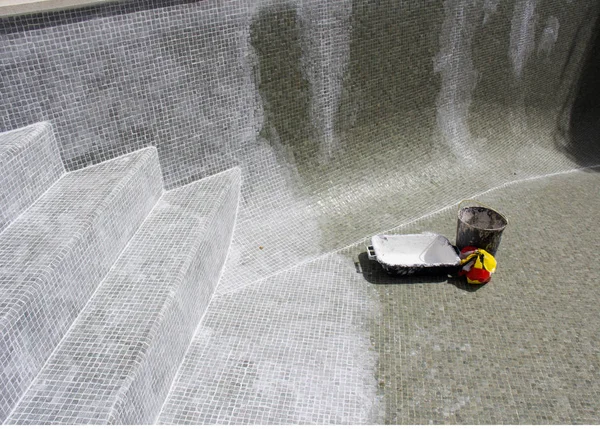
A swimming pool can be one of the best features of a Phoenix backyard, but years of intense sun, heat, hard water, and regular use can eventually take their toll. Cracked or worn surfaces, outdated tile, damaged coping, inefficient equipment, and an old-fashioned layout can make an otherwise valuable pool feel tired.
That does not necessarily mean the entire pool needs to be replaced. In many cases, pool renovation in Phoenix can transform an aging swimming pool into a cleaner, more attractive, and more functional outdoor space without starting from scratch.
The key is knowing what your pool needs and which improvements will make the biggest difference.
When Is It Time to Renovate a Pool?
One of the first questions Phoenix homeowners ask is whether a pool actually needs renovation or whether it simply needs routine maintenance.
Visible deterioration is often the easiest place to start. Pool surfaces that have become rough, stained, discolored, chipped, or difficult to keep clean may be showing signs that resurfacing is needed. Cracked or outdated waterline tile and damaged coping can also affect both the appearance and condition of the pool.
The pool deck deserves attention as well. Cracks, worn concrete, outdated materials, or surfaces that no longer complement the backyard can make the entire pool area look older than it really is.
There are also functional warning signs. Older pumps, plumbing components, lighting, water features, and other equipment may no longer provide the performance or efficiency homeowners expect. Renovation can provide an opportunity to address these issues while the pool is already being updated.
Sometimes the reason for renovating is simply that the pool no longer fits the way the family uses the backyard. A pool designed years ago may benefit from updated features, improved access, a more modern finish, or a redesigned surrounding area.
What Can Be Included in a Phoenix Pool Renovation?
Pool renovation does not have to mean completely rebuilding an existing swimming pool. The scope can range from a relatively focused update to a major transformation.
Pool resurfacing is one of the most common renovation projects. Depending on the existing pool and desired appearance, homeowners may consider different interior finishes, including plaster, quartz, or pebble-based surfaces. The right choice depends on factors such as appearance, budget, water conditions, pool maintenance expectations, and the characteristics of the existing pool.
Tile and coping can also dramatically change the appearance of an older pool. Replacing dated waterline tile or worn coping can give the pool a much more contemporary look without changing its basic structure.
A renovation can also include improvements to the pool deck. Depending on the property, homeowners may consider resurfacing, replacing, or redesigning portions of the surrounding hardscape to create a more cohesive outdoor living area.
Other upgrades may include lighting, water features, equipment improvements, steps, benches, Baja shelves, or changes to other functional elements. The best renovation is not necessarily the one with the longest list of features. It is the one that solves the problems with the existing pool while improving how the space is used.
Why Phoenix Conditions Matter
A pool renovation in Phoenix needs to account for the local environment.
The Valley’s intense sunlight and prolonged heat can place significant demands on outdoor materials. Pool finishes, tile, decking, equipment, and other components are exposed to conditions that may be considerably different from those in cooler climates.
Water conditions are another consideration. Mineral buildup and scaling can become frustrating for homeowners and may influence decisions about finishes and maintenance. This is one reason a renovation should be planned around the specific pool rather than simply choosing materials based on appearance alone.
The surrounding landscape matters too. A pool that looks attractive in a showroom may not necessarily complement the architecture, landscaping, or outdoor living space of a Phoenix home.
A knowledgeable pool renovation contractor should consider the existing pool, the property’s conditions, how the pool is used, and the homeowner’s long-term expectations before recommending materials or upgrades.
Should You Resurface or Completely Renovate?
This is one of the most important decisions to make before starting a project.
If the pool structure is sound and the primary problems involve an aging interior surface, tile, coping, or deck, a more focused renovation may be enough. This can refresh the appearance without changing everything about the pool.
A more extensive renovation may make sense when several components are outdated at the same time. For example, a homeowner may want to address the interior finish, tile, coping, deck, lighting, and equipment as part of one coordinated project.
The right choice depends on the condition of the existing pool and what the homeowner wants to accomplish.
It is also worth thinking beyond appearance. If an aging component is already approaching the end of its useful life, replacing it during a larger renovation may make more sense than completing cosmetic work now and returning to the same area later.
How Much Does Pool Renovation Cost in Phoenix?
There is no single price for pool renovation because every project is different.
A basic renovation involving a single component will naturally cost less than a comprehensive project involving resurfacing, tile, coping, decking, equipment, lighting, and additional features.
The pool’s current condition also matters. Access to the property, the size and shape of the pool, existing materials, structural conditions, selected finishes, and the complexity of the work can all affect the final cost.
Homeowners should be cautious about choosing a contractor based solely on the lowest initial number. A useful renovation estimate should make it clear what work is included, what materials are being proposed, and whether additional repairs may be necessary once the existing pool is inspected.
An on-site evaluation is generally much more useful than trying to determine an accurate renovation price from photographs or a short phone conversation.
Do You Need a Permit for Pool Renovation in Phoenix?
Permit requirements depend on the project and the jurisdiction.
The City of Phoenix provides specific residential pool and spa permit resources, including application guidelines, plan information, and pool barrier requirements. Phoenix also notes that many residential improvement projects require permits and inspections.
That means homeowners should not assume every pool renovation is treated the same way. The type and extent of the proposed work can affect what approvals are required.
If the property is outside Phoenix proper, requirements may also differ because the applicable city or jurisdiction may handle permitting. Maricopa County, for example, directs property owners to the appropriate city or town when a project is located within an incorporated jurisdiction.
A qualified contractor should be able to explain which permitting considerations apply to the proposed renovation rather than leaving the homeowner to figure everything out alone.
How Long Does a Pool Renovation Take?
The timeline depends heavily on the scope of the renovation.
Replacing one component is very different from coordinating resurfacing, tile, coping, decking, plumbing, equipment, and custom features. Material availability, weather, site conditions, preparation requirements, and unexpected repairs can also affect the schedule.
Before work begins, homeowners should ask for a clear explanation of the major stages of the project and what could potentially change the timeline.
It is also important to understand when the pool will be unavailable. Planning ahead can make the renovation much less disruptive, particularly for homeowners who rely heavily on their pool during Phoenix’s warmer months.
Choosing the Right Pool Renovation Contractor
The contractor you choose can have as much impact on the final result as the materials themselves.
Look for a company that can clearly explain the condition of the existing pool, recommend appropriate improvements, provide a detailed scope of work, and communicate what is included in the project.
Experience with Phoenix-area pools is particularly valuable because local conditions can influence material selection, maintenance, and renovation decisions.
Ask questions before signing a contract. Find out what finish is being recommended and why. Ask whether tile, coping, decking, plumbing, or equipment problems have been identified. Clarify the expected timeline and how unexpected conditions will be handled.
Most importantly, make sure the renovation is designed around the pool you actually have rather than a generic package.
Is Pool Renovation Worth It?
For many Phoenix homeowners, renovating an existing pool can be a practical way to improve the backyard without completely starting over.
A well-planned renovation can address worn finishes, outdated features, inefficient components, and design issues at the same time. It can also make the pool more enjoyable to use and give the entire outdoor space a refreshed appearance.
The best renovation is not necessarily the biggest renovation. It is the one that addresses the pool’s actual problems, fits the property, and makes sense for how the homeowner intends to use the space.
If your pool has become difficult to maintain, looks noticeably worn, or no longer fits your backyard, it may be time to have the existing condition evaluated. A professional pool renovation in Phoenix can help determine whether resurfacing, targeted upgrades, or a more comprehensive remodel is the right solution for your property.
Ready to give an aging pool a fresh start? Schedule an evaluation with a qualified Phoenix pool renovation professional to discuss the condition of your pool, available renovation options, and the improvements that make the most sense for your home.